
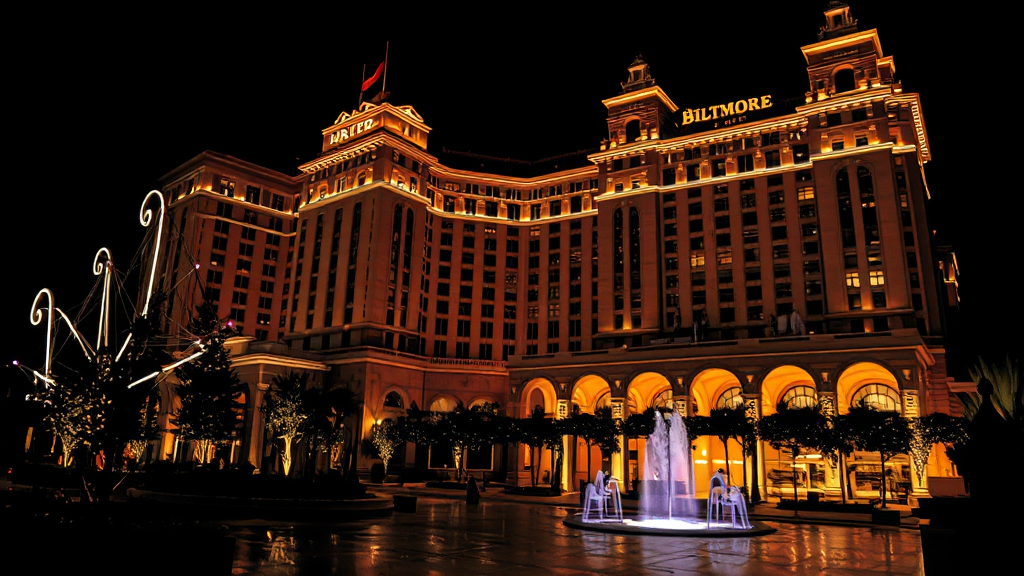
The Art of Boutique Hospitality: Why Unique Hotels Create Unforgettable Stays
In an era where travel has become more accessible than ever, the quest for authentic and memorable experiences has never been more important. While chain hotels offer consistency and predictability, a growing number of travelers are seeking accommodations that tell a story, reflect local culture, and provide a sense of place. This shift has propelled boutique and independent hotels into the spotlight, and properties like thebiltmorehotels exemplify how personalized service and distinctive design can transform a simple overnight stay into a lasting memory. This article explores the key elements that make boutique hospitality so compelling and why choosing a unique hotel can elevate your entire travel experience.
The Rise of Boutique Hotels and Independent Stays
The hospitality industry has witnessed a significant transformation over the past two decades. Travelers are no longer satisfied with generic rooms and cookie-cutter lobbies. Instead, they crave environments that feel curated, intimate, and reflective of the destination. Boutique hotels have risen to meet this demand by offering smaller, design-forward spaces that prioritize character over scale. Unlike large hotel chains that often adhere to strict brand standards, independent properties have the freedom to experiment with architecture, interior design, and service models. This independence allows them to create a unique atmosphere that resonates with guests on a deeper level. Whether it’s a historic townhouse converted into a luxury inn or a modern urban retreat with locally sourced art, these hotels become destinations in themselves. The appeal lies in their ability to offer a sense of discovery—a feeling that you are experiencing something that cannot be replicated elsewhere. This movement has also been fueled by the rise of social media and online reviews, where travelers share photos and stories of their stays, inspiring others to seek out similar hidden gems. As a result, the demand for boutique accommodations has surged, with many travelers actively seeking out properties that offer a break from the ordinary.
Personalized Service as the Cornerstone of Hospitality
One of the most defining features of boutique hotels is their commitment to personalized service. In larger establishments, guests can sometimes feel like just another room number. In contrast, smaller hotels often have a higher staff-to-guest ratio, allowing team members to remember names, preferences, and special occasions. This level of attention creates a warm and welcoming environment that makes guests feel valued. From the moment you check in, you might be greeted with a welcome drink, a handwritten note, or a recommendation for a local restaurant that perfectly matches your taste. The concierge service in a boutique hotel is often more intimate and knowledgeable, providing insider tips that go beyond standard tourist attractions. Staff members are typically passionate about their city and take pride in helping guests discover hidden gems. This personalized approach extends to every aspect of the stay, from turn-down service with local treats to flexible check-in and check-out times. For business travelers, this can mean a dedicated workspace that feels more like a private office than a hotel desk. For leisure travelers, it might mean arranging a private tour or a cooking class with a local chef. The key is that the service is tailored, not scripted. This human connection is what transforms a good stay into an exceptional one, and it is a hallmark of properties like thebiltmorehotels, where guest satisfaction is the top priority.
Design and Atmosphere: Crafting a Sense of Place
Design plays a crucial role in the boutique hotel experience. Unlike chain hotels that often follow a uniform design template, boutique properties use architecture and interior design to tell a story. Every element, from the lobby furniture to the artwork in the hallways, is carefully chosen to create a cohesive aesthetic that reflects the local culture or a specific theme. This attention to detail creates an immersive environment that engages the senses. For example, a hotel located in a historic building might preserve original architectural features like exposed brick, wooden beams, or stained glass windows, while adding modern amenities and contemporary art. Another property might embrace a minimalist Scandinavian design with clean lines, natural materials, and a neutral palette to create a calming retreat. The goal is to create a space that feels authentic and inspiring. Lighting, music, and even scent are often curated to enhance the mood. Guests often find themselves spending more time in the common areas, whether it’s a cozy library with a fireplace, a rooftop terrace with panoramic views, or a stylish bar serving craft cocktails. This focus on atmosphere turns the hotel into a social hub, where guests can relax, work, or mingle with fellow travelers. The design is not just about aesthetics; it is about creating an experience that lingers long after checkout.
Culinary Experiences and Local Flavors
Food is an integral part of any travel experience, and boutique hotels often excel in offering exceptional dining options. Many independent properties feature restaurants and bars that have become destinations in their own right, attracting both guests and locals. These establishments often emphasize locally sourced ingredients, seasonal menus, and innovative cuisine that reflects the region’s culinary heritage. The chef may have a close relationship with local farmers and artisans, ensuring that every dish tells a story. Breakfast, in particular, is often a highlight, with made-to-order dishes, fresh pastries, and artisanal coffee. Some hotels offer complimentary evening receptions with wine and cheese, or afternoon tea with homemade treats. Beyond the restaurant, boutique hotels may also offer cooking classes, food tours, or mixology workshops, allowing guests to dive deeper into the local food culture. For example, a hotel in Tuscany might organize a truffle hunting excursion followed by a cooking class, while a property in Tokyo might offer a sake tasting session. These culinary experiences not only satisfy the palate but also create lasting memories and a deeper connection to the destination. The emphasis on quality and authenticity sets boutique hotels apart from larger chains, where dining options can sometimes feel impersonal or standardized.
Location and Community Integration
Boutique hotels are often located in neighborhoods that are off the beaten path, providing guests with a more authentic experience of the city. Instead of being situated in tourist-heavy areas, these properties are often found in residential districts, artsy quarters, or historic centers. This allows guests to immerse themselves in the local community, exploring independent shops, cafes, and markets that are frequented by residents. The hotel itself often partners with local businesses, offering discounts or recommendations for nearby attractions. This integration benefits both the guest and the local economy. For instance, a hotel might collaborate with a nearby art gallery to host exhibitions, or with a local brewery to supply craft beer for the bar. Some hotels even offer curated walking tours that highlight the neighborhood’s history and culture. This sense of place is a key differentiator for boutique properties. Guests leave with a deeper understanding of the destination, having experienced it not just as a tourist, but as a temporary local. This approach aligns with the growing trend of sustainable and responsible travel, where visitors seek to minimize their impact and support local communities. By choosing a boutique hotel, travelers can contribute to the preservation of local culture and heritage while enjoying a more enriching stay.
Technology and Modern Amenities with a Human Touch
While boutique hotels pride themselves on personalized service, they also embrace technology to enhance the guest experience. However, the approach is often more thoughtful and integrated than in larger hotels. Instead of overwhelming guests with gadgets, technology is used seamlessly to improve comfort and convenience. For example, many boutique properties offer high-speed Wi-Fi, smart room controls for lighting and temperature, and streaming services on in-room televisions. Some hotels provide tablets for ordering room service or booking spa appointments, while others offer mobile check-in and digital keys. The key is that technology complements, rather than replaces, human interaction. Guests can still expect a warm welcome at the front desk and a staff member who is eager to help. The balance between high-tech and high-touch is crucial. For instance, a hotel might use a guest preference database to remember that you like a firm pillow or a specific type of coffee, but the delivery of that service is done by a person with a smile. This hybrid approach ensures that the stay is both efficient and personal. Additionally, many boutique hotels are incorporating sustainable technologies, such as energy-efficient lighting, water-saving fixtures, and smart thermostats, to reduce their environmental footprint. This commitment to sustainability resonates with eco-conscious travelers who want to enjoy luxury without compromising their values.
FAQs
What defines a boutique hotel?
A boutique hotel is typically a small to medium-sized property with a unique design, personalized service, and a strong sense of place. Unlike large chain hotels, boutique hotels often have fewer than 100 rooms and focus on creating an intimate, curated experience for guests. They are known for their attention to detail, local character, and distinctive atmosphere.
Why should I choose a boutique hotel over a chain hotel?
Boutique hotels offer a more personalized and authentic travel experience. You can expect unique architecture, locally inspired cuisine, and staff who go out of their way to cater to your needs. Chain hotels offer consistency, but boutique properties provide a sense of discovery and a deeper connection to the destination, making your stay more memorable.
Are boutique hotels more expensive than standard hotels?
Pricing varies widely, but boutique hotels can be competitive with upscale chain hotels. While some luxury boutique properties command higher rates, many offer excellent value for the level of service and quality. Additionally, the unique experiences and personalized attention often justify the cost for travelers seeking something special.
Do boutique hotels offer the same amenities as large hotels?
While boutique hotels may not have extensive facilities like large resorts (e.g., massive spas, multiple pools), they often provide high-quality amenities such as excellent restaurants, stylish bars, fitness centers, and concierge services. The focus is on quality over quantity, and many boutique hotels offer unique perks like complimentary bicycles, local welcome gifts, or curated city guides.
How can I find the best boutique hotel for my trip?
Start by researching destinations and reading travel blogs or review sites that focus on independent hotels. Look for properties that align with your interests, whether that’s history, design, food, or nature. Pay attention to guest reviews that mention personalized service and local experiences. Booking directly with the hotel can also offer perks like room upgrades or special packages.